Queering the Conference
Let’s be honest for a second: most corporate conferences are designed to be survived, not enjoyed.
We’ve all been there. You walk into a fluorescent-lit hotel ballroom, grab a cup of coffee, sit in a sea of armless chairs, and prepare for long hours hours of bullet-point slide decks. By mid-afternoon, half the room is checking their email, and the other half is calculating how long until the bar opens.
I started thinking about this a lot lately because a conference should feel like an opportunity, not an obligation. Professional gatherings don't have to be boring. In fact, when you break out of the corporate box, magic happens—people actually connect, ideas stick, and the ROI goes through the roof.
Here is how I’ve been rethinking the traditional conference model lately.
DITCH THE TRADITIONAL ROOM SET-UP
Why are we still lining up chairs in rigid theater rows facing a podium and stage? If the goal of an event is collaboration, the physical space has to support this.
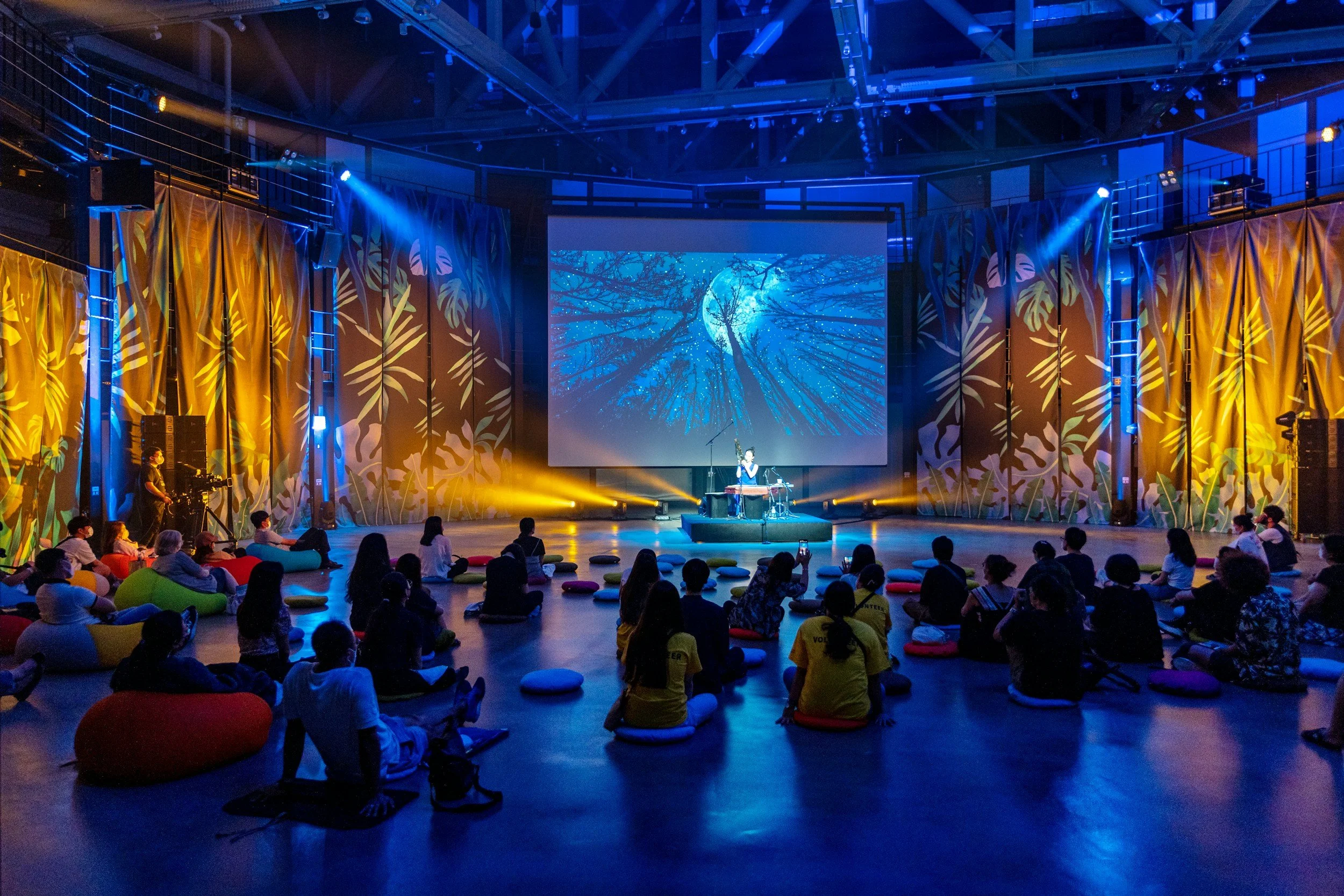
I love breaking up standard ballroom layouts into sections. Think lounge seating sections with comfortable seating, roundtables for immediate peer discussion, or even interactive stations where attendees move around instead of just sitting in a chair. For example, think whiteboard wall, or tactile spaces with coloring walls or fidgets. When the environment feels dynamic, people stay awake and engaged.
RETHINK THE AGENDA
The biggest mistake I see in conference design is packing every single minute from 8:00 AM to 5:00 PM with content. I understand that sometimes, there is a lot of content that you need to make it through, but brain overload is real, and fatigue sets in fast. Sometimes sweets in the afternoon could only accomplish so much.
The best ideas rarely happen during a 45-minute slide presentation—they happen during the breaks, over coffee, or during a workshop. I'm a huge advocate for building intentional white space into the agenda. Giving attendees time to process, network naturally, or even step outside for fresh air isn't "wasted time." It’s where the actual value is built.
INJECTING CULTURE & IMMERSIVE DETAIL
A conference shouldn't feel like it could be taking place in any random basement in America.
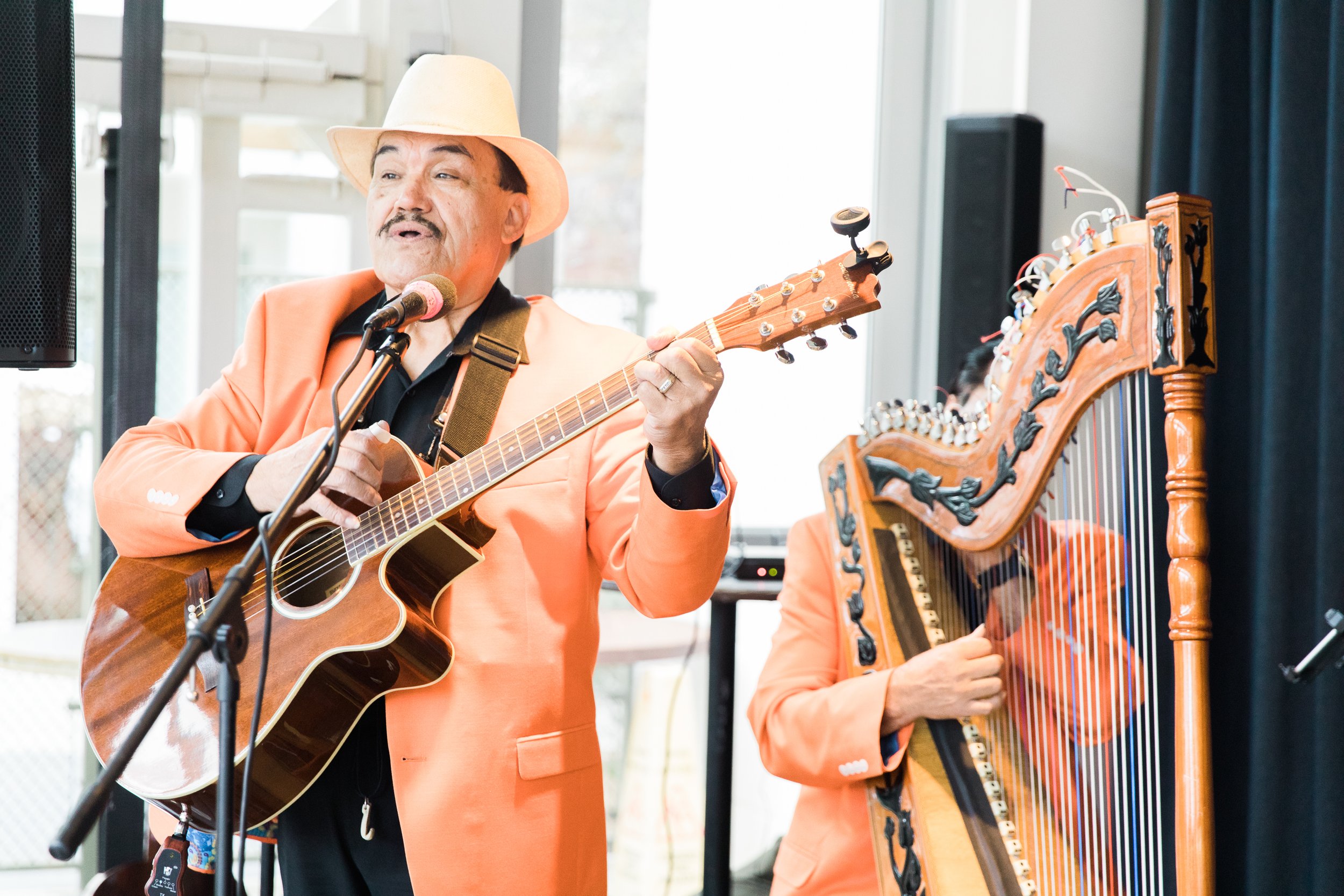
When attendees spend long days locked inside programming, bringing in authentic local flavor; whether that’s showcasing regional foods, highlighting local history, or curating interactive gallery displays in the foyer, grounds the entire experience in the destination itself. It gives guests a real taste of the host city without needing a break to go play tourist.
More importantly, offering memorable programming alongside a genuine sense of place builds a lasting relationship with the host city. It leaves attendees actually wanting to come back on their own dime.
Even corporate events deserve visual drama, clear storytelling, and unexpected delight. When an event is thoughtfully curated down to the sensory details, attendees don't just feel entertaine, they feel respected, connected, and genuinely energized.
DESIGNING FOR BELONGING
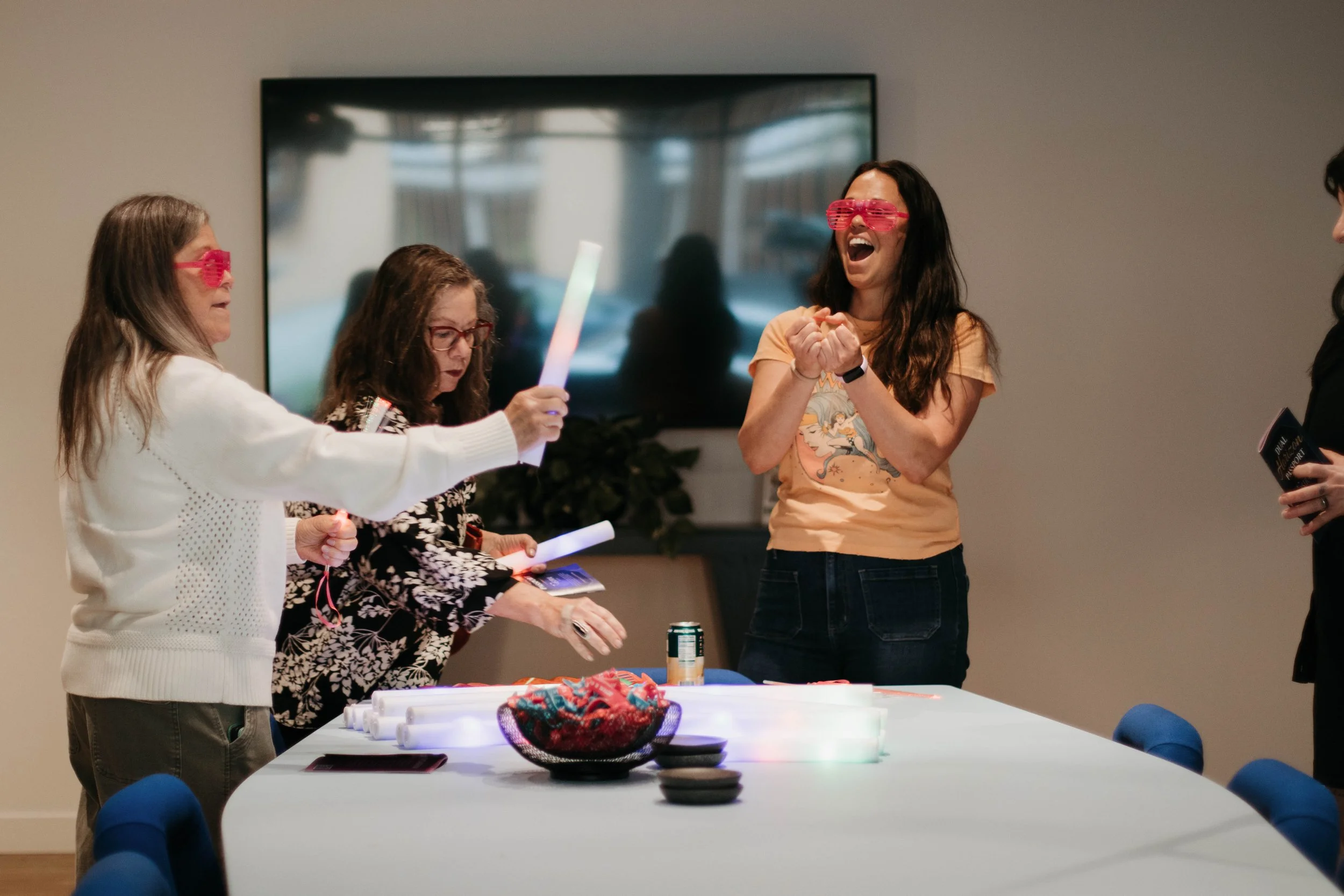
We have to design small environments within grand events. That could be: creating dedicated, low-pressure spaces tailored to first-time attendees, creating quiet networking spaces for introverts, or interest-based meetup spots. Designing intentional entry points ensures that everyone has an opportunity to feel like they belong. That could look like a guided ambassador program or icebreaker lounges!
Planning a professional conference doesn't mean leaving creativity at the door. You can hit every single goal while still creating an experience that feels human, vibrant, and memorable. Attendees can feel like they belong.
I couldn't help but wonder... are we ready to stop hosting events people have to attend, and start planning events they actually want to be at? Are we ready to Queer up the conference?
And just like that... oops, I sparkled again.